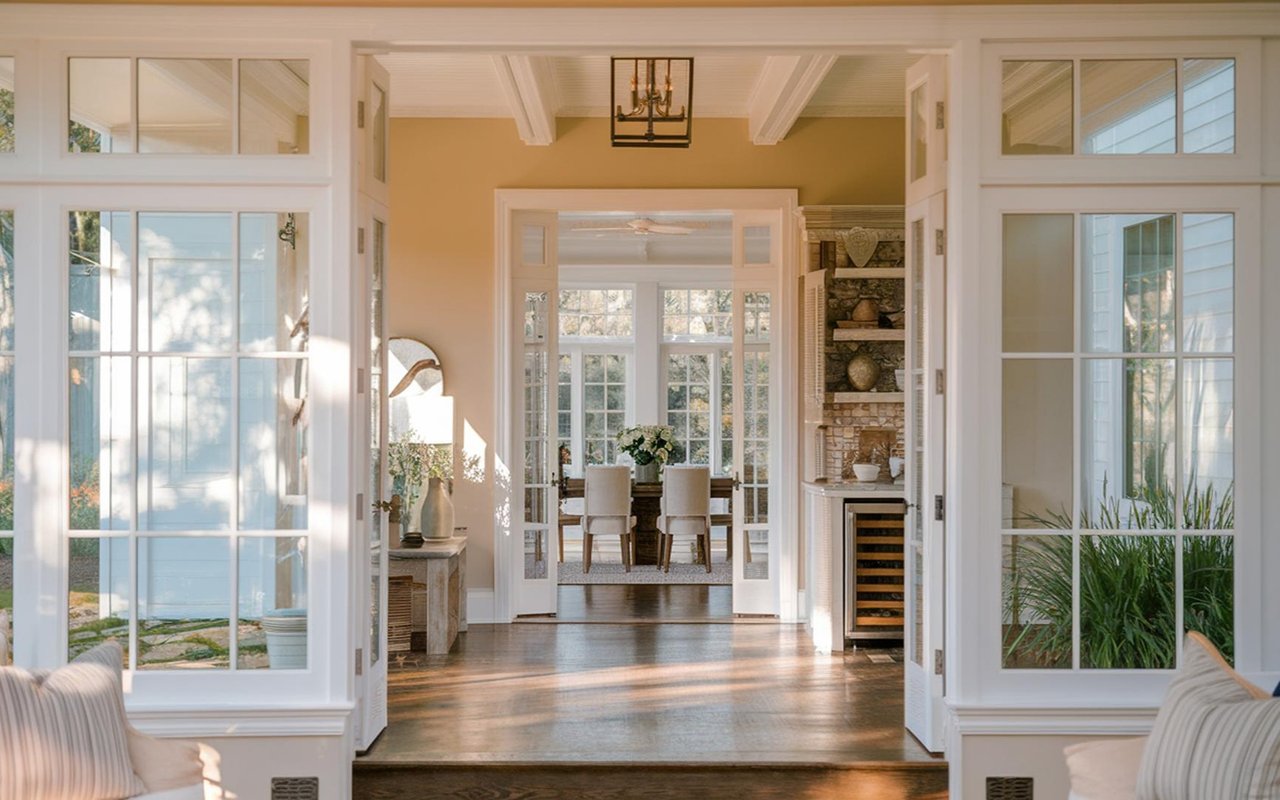
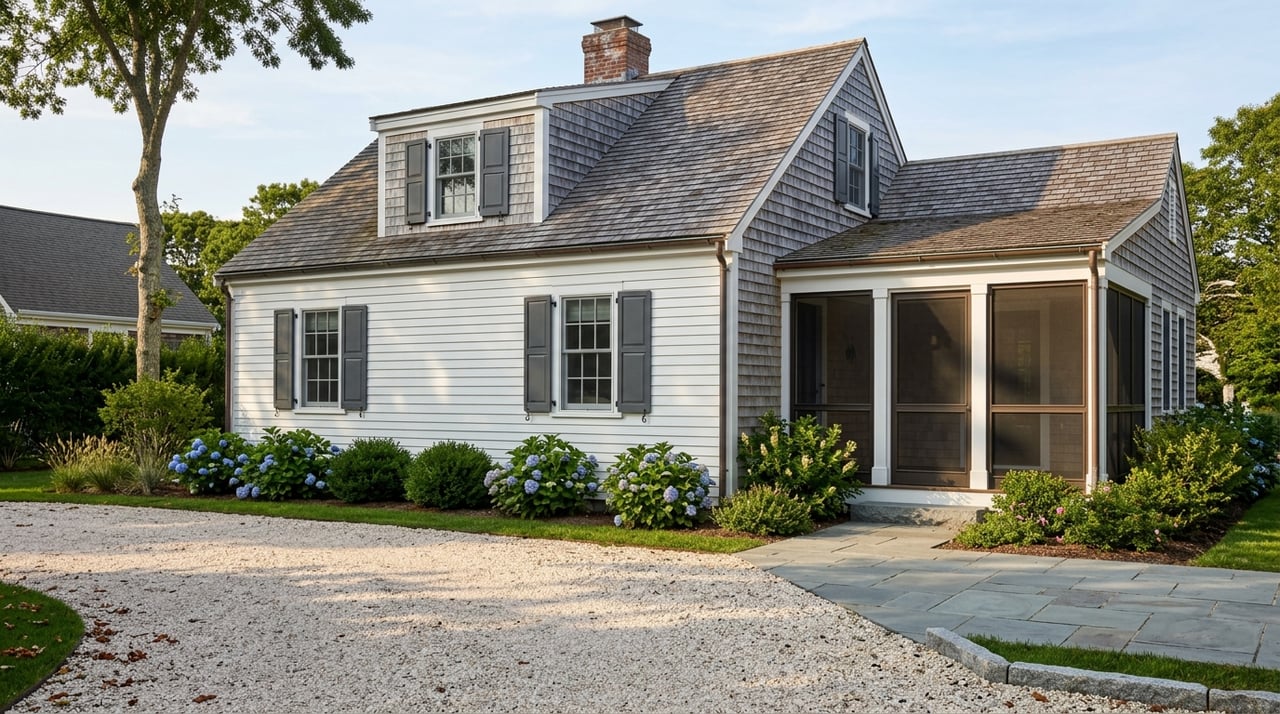
Falmouth real estate offers a picturesque blend of classic Cape Cod charm and modern coastal living.
Upper Cape Cod
Condos offer a more accessible entry point to Falmouth living than single-family homes, with options ranging from walkable village units to beachside retreats and golf community townhomes. Here is what to know before you buy or sell.
Falmouth's condo market leans in sellers' favor, driven by low inventory and steady demand from vacation-home buyers, retirees, and investors.
~$629K
Median Listing Price
$285K–$2.15M+
Price Range
60–75
Average Days on Market
$350–$900+
Monthly HOA Fees
$1,100,000 – $2,150,000+
Luxury oceanfront and water-view units near the research institutes, ferry terminal, and harbor. Browse Falmouth luxury condos for sale.
$550,000 – $1,200,000+
Walkable to Main Street shops, restaurants, and Surf Drive Beach, including historic converted units.
$600,000 – $950,000+
A quieter coastal setting near Chapoquoit Beach and the Shining Sea Bikeway, with smaller complexes and boutique conversions.
$450,000 – $750,000
A residential feel close to Megansett Harbor, with mid-range complexes and townhomes.
$300,000 – $650,000
The most affordable area for condo buyers, with multi-unit complexes offering entry-level one- and two-bedroom units.
Along Surf Drive, Menauhant Beach, Falmouth Heights, and Buzzards Bay, often with balconies, water views, and beach access.
Historic conversions and boutique developments steps from restaurants, harbors, Main Street, and the bike path.
Townhomes near courses like Ballymeade and The Cape Club, typically with larger floor plans, garages, and course views.
Age-restricted, maintenance-free living with single-level or primary-down layouts, clubhouses, pools, and walking trails.
Seasonal units cost less but restrict use and financing. Year-round condos allow 365-day occupancy and conventional mortgages.
Monthly dues in Falmouth generally run $350 to $900+, depending on the age of the development, waterfront exposure, and amenities. Here is what they typically cover.
Roofing, siding, decks, and trim, essential where salt air speeds up wear.
Landscaping, trash collection, and snow removal on complex roads and walkways.
Coverage for the building structure and common areas. Owners still need an HO-6 policy.
Pools, courts, clubhouses, and docks. More amenities usually mean higher dues.
Common-area lighting, and in some older developments, water and sewer.
Long-term savings for major projects like roof replacement or repaving.
Every Falmouth condo is governed by its master deed, bylaws, and association rules. In a high-demand resort market, these often carry strict terms.
Many associations ban rentals under 30 days and require 30-day, 90-day, or 12-month minimum leases. Some cap investor-owned units at 30% to 50%.
Policies often allow one or two pets per unit with weight or breed limits, may require board approval, and frequently exclude tenants.
Exterior changes need board approval. Multi-story buildings may require soundproof underlayment for hard flooring, and contractor hours are often limited.
Condo financing weighs both your credit and the association's financial and legal health.
Warrantable
At least 50% owner-occupied, no single entity owning more than 20% to 25% of units, no active litigation, and reserves of 10%+ of the budget. Qualifies for conventional loans with as little as 3% to 5% down.
Non-Warrantable
High rental concentration, pending lawsuits, condotel structures, or seasonal restrictions. Requires portfolio or non-QM loans, typically with 20% to 30% down and higher rates.
FHA loans require HUD-approved complexes, and very few Falmouth condos hold active approval. Buyers can request a Single-Unit Approval through their lender.
Typically 10% to 20% down, with the property kept primarily for personal use. Projected rental income cannot be used to qualify.
Intent: Personal use and seasonal retreat.
Down Payment: 10% to 20%.
Rates: Slightly above primary residence rates.
Qualifying: Personal debt-to-income only.
Taxes: Mortgage interest and property taxes deductible within IRS caps.
Intent: Long- or short-term rental income.
Down Payment: 15% to 25%, often 25%+ for condos.
Rates: Typically 0.50% to 1.00% higher.
Qualifying: Expected rent can offset mortgage debt.
Taxes: HOA fees, management, repairs, and depreciation deductible.
Renting a Falmouth condo short-term means meeting three layers of rules: town, state, and your condo association.
01
Annual registration with the Health Department, occupancy limits tied to bedrooms and septic capacity, safety compliance, and a designated local contact.
02
Registration on MassTaxConnect, $1,000,000 in liability coverage, and a 14.45% total occupancy tax (5.7% state, 6% local, 2.75% Cape Cod & Islands Water Protection Fund).
03
HOA rules override town permissions. Most Falmouth associations prohibit stays under 30 days, so review the master deed and bylaws during your contingency period.
Covers common areas and the building structure. Most Falmouth policies are "bare walls," covering only framing and drywall.
Covers your interior, upgrades, belongings, and liability. Add loss assessment coverage, and expect 1% to 5% wind deductibles on the coast.
Neither policy covers flood. Lenders require it in Zones AE and VE, and owners may need their own policy if the association's coverage falls short.
01
Confirm the association isn't running a deficit. Fee delinquency above 15% signals trouble and can affect mortgage approval.
02
Look for at least 10% of the budget going to reserves and a reserve study completed within the past three to five years.
03
Ask about active or planned assessments over the next 12 to 24 months. Frequent past assessments point to underfunded reserves.
04
The past 12 months of minutes reveal recurring repairs, owner disputes, pending litigation, and proposed rule changes.
You'll need a 6(d) certificate at closing. Gather the master deed, bylaws, budget, reserve study, minutes, and insurance certificate before listing.
Show what the HOA fee covers and highlight lifestyle draws like beach proximity, walkability, and bike path access.
Buyer activity peaks March through May and September through October. Find out what yours is worth with a home valuation.
The town permits them with registration and occupancy taxes, but association rules take priority. Most Falmouth complexes prohibit stays under 30 days or set 7- to 30-day minimums.
It depends on the master deed. The HOA usually handles roofing and siding, while exclusive-use decks, doors, and window glass are often the owner's responsibility.
Many associations allow one or two pets for owners but not tenants. Review weight limits, breed restrictions, and approval requirements before making an offer.
Salt air and storms wear down exteriors faster, and master and flood insurance premiums are significantly higher along the coast.
The board levies a special assessment, a mandatory lump-sum or installment charge to every owner on top of regular dues.
Still deciding on a village? Explore our Falmouth, MA neighborhood guide.
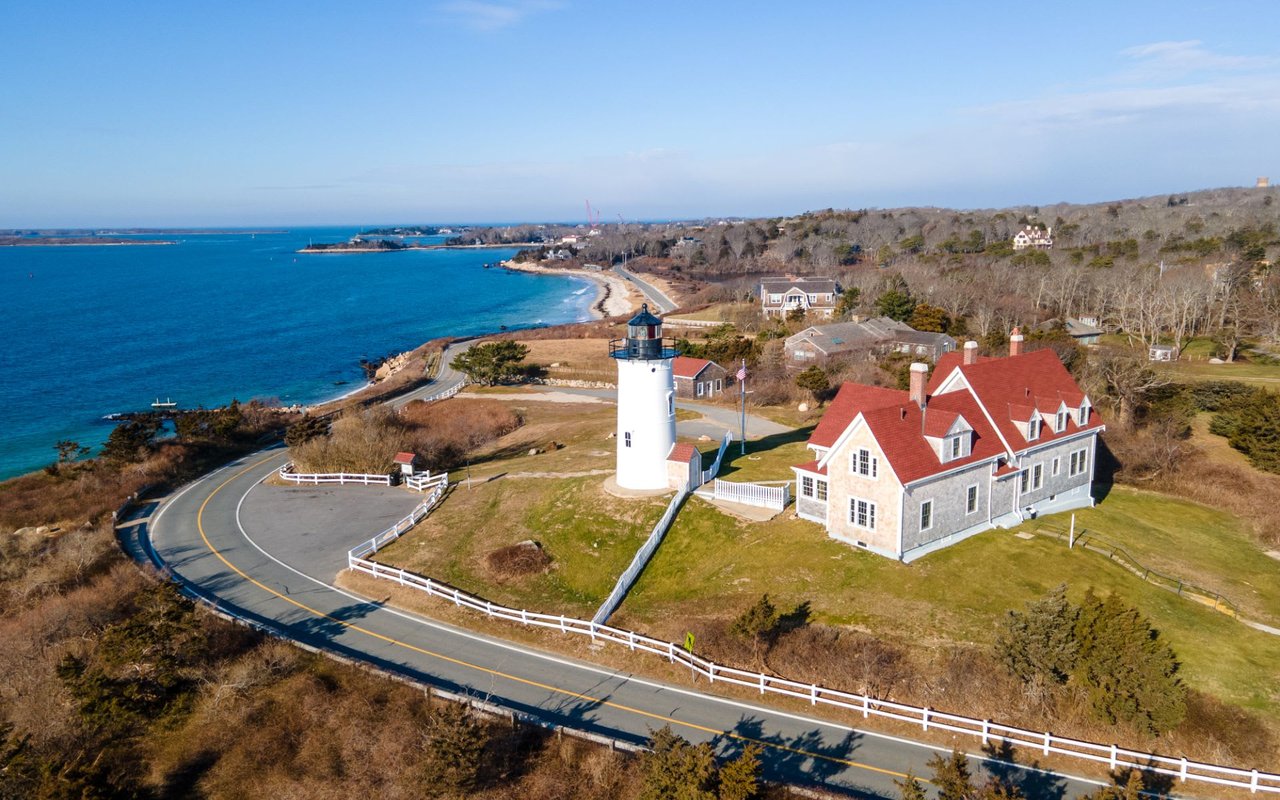
Thinking about a move to Falmouth? From the walkable shops of Main Street to the research harbor of Woods Hole, each of Falmouth's eight villages offers its own pace of coastal living. Explore our Falmouth, MA neighborhood guide for local market insights, schools, parks, dining, and buying tips to help you decide where you belong on the Upper Cape.

Celebrating creativity, community, and the joy of the season on Cape Cod.

Finding the Best Home Loan for Your Cape Cod, MA, Purchase.