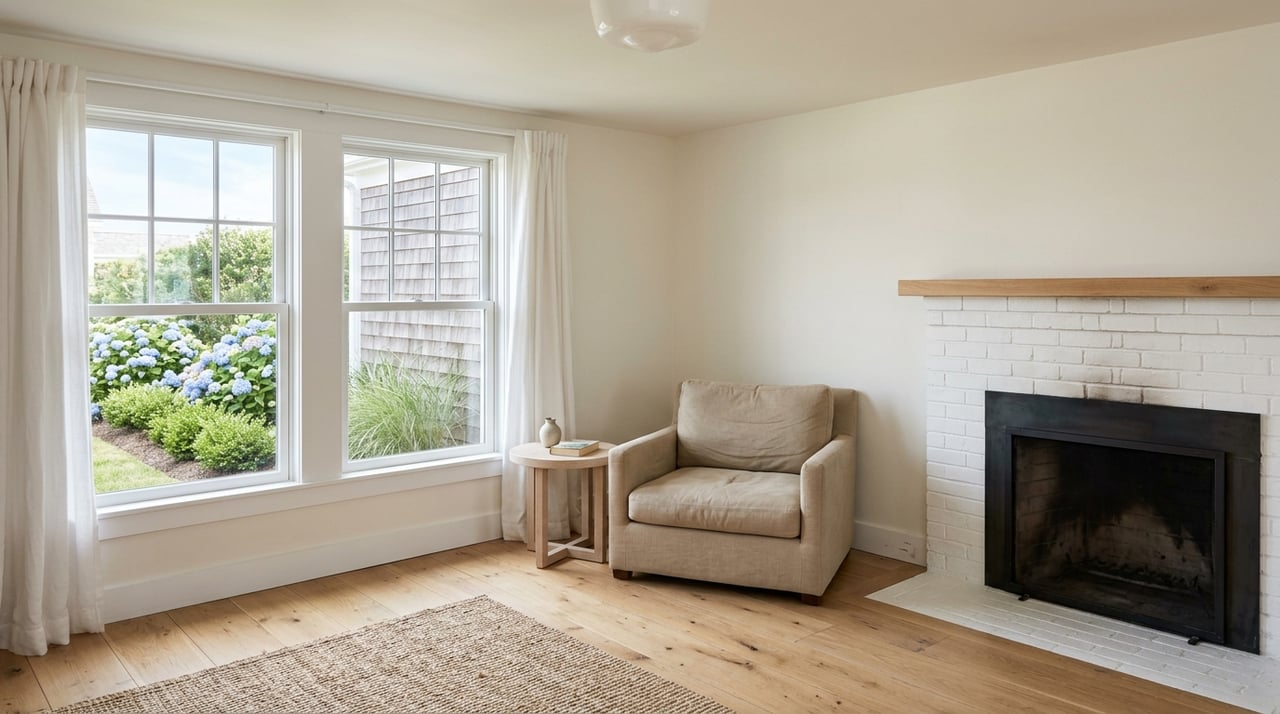
If you have lived in the same home for decades, selling can feel much bigger than putting a sign in the yard. You may be sorting through years of memories, wondering what needs attention, and trying to make smart decisions without doing more work than necessary. The good news is that a clear plan can make the process far more manageable, especially in a market like Falmouth. Let’s dive in.
Start With Your Real Goal
Before you schedule cleanouts, repairs, or photos, decide what success looks like for you. Some longtime homeowners want the highest possible sale price, while others care more about simplicity, timing, or reducing stress.
That choice matters because it shapes every next step. In Falmouth, where many homes are older and buyers often look closely at condition and maintenance history, your strategy should match the property and your timeline.
You may be choosing between three broad paths:
- A fully prepared listing with more updates and presentation work
- A lightly updated listing focused on key improvements
- An as-is sale with fewer pre-listing projects
None of these options is automatically right or wrong. The best fit depends on your home’s condition, your budget, and how quickly you need to move.
Understand the Falmouth Market Context
Local context matters when you are selling a longtime home in Falmouth. The town has a high share of owner-occupied homes, a meaningful seasonal housing segment, and a housing stock made up largely of homes built between 1950 and 1999. About 82% of residential properties are single-family homes.
For sellers, that means buyers often pay close attention to system age, upkeep, and whether a home has been used year-round or seasonally. A well-documented property can feel more predictable to buyers, which may support stronger pricing and smoother negotiations.
Current market numbers also help frame expectations. Realtor.com’s May 2026 Falmouth summary shows a median listing price of $995,000, a median sold price of $745,000, 173 homes for sale, a median 31 days on market, and a 97% sale-to-list ratio.
That tells you Falmouth remains active, but buyers are still price-sensitive. It also reminds you that your tax assessment and tax bill are useful planning tools, but they are not the same as current market value.
Ask the Family Questions Early
A longtime-home sale is often emotional as well as practical. Before the house is treated like inventory, it helps to decide who needs time to sort through personal items, records, and heirlooms.
This can prevent rushed decisions later. It also helps you avoid clearing out rooms or storage areas before everyone agrees on the sale plan.
Here are a few smart questions to answer at the beginning:
- Do you need to sell by a fixed deadline, or can you wait for the right market window?
- Do you want to do only essential work, or do you want the home to show at a higher level?
- Should the home be cleared out before listing, or after the sales strategy is set?
- If the home has a septic system, pre-1978 construction, or a history of repairs, should those be reviewed before pricing and photography?
Review Condition Before You Spend Money
One of the biggest mistakes sellers make is spending money in the wrong places. In a longtime home, not every repair or cosmetic update adds value in the same way.
Start by understanding the property’s actual condition. In Falmouth, buyers are often focused on practical issues like systems, records, and compliance items, so early review can help you decide what truly needs attention.
A good early review often includes:
- Heating, cooling, and other major system age
- Roof and exterior condition
- Windows, doors, and visible deferred maintenance
- Any history of water issues or major repairs
- Whether the home has been seasonally used or consistently occupied year-round
This step is not about making everything perfect. It is about choosing improvements strategically rather than emotionally.
Septic Records Should Come First
If your home has a septic system, gather the last Title 5 inspection report and pumping history as early as possible. Under MassDEP guidance, septic inspections generally must occur within two years before transfer, and a report can remain valid for three years if the system has been pumped annually and those records are available.
This is one of the most important early checkpoints for many Falmouth sellers. It can affect timeline, disclosure, negotiation, and whether you should plan for any work before listing.
Falmouth also adopted a local septic supplement effective November 15, 2025. It requires best available nitrogen-reducing technology in nitrogen sensitive areas when wastewater flow increases, such as with new construction, raze-and-rebuild projects, or adding bedrooms.
If septic work may be needed, early clarity can help you plan. Falmouth notes a state tax credit for repair or replacement of a failed system and Barnstable County’s Community Management Septic Loan Program, which is another reason not to wait until the last minute.
Check Lead Paint Requirements
If your home was built before 1978, lead paint rules should be part of your preparation. Massachusetts requires sellers and agents to provide the Property Transfer Lead Paint Notification before signing a purchase and sale agreement.
You also need to provide any known lead reports or compliance documents. If a child under 6 will live in the home after transfer, the property must be deleaded or brought into Interim Control within 90 days of taking title.
In Falmouth, where much of the housing stock dates from the second half of the 20th century, this issue comes up often enough that it is worth reviewing early. Even if the home has never had a problem, having your paperwork ready helps reduce uncertainty.
Schedule Smoke and CO Compliance Early
Smoke and carbon monoxide detector compliance is another item you do not want to leave for the end. Falmouth requires compliance inspections before a sale or transfer.
The practical issue is timing. Falmouth Fire Department notes that inspection requests should be made early, and certificates expire 60 days after issue.
That means the ideal timing depends on your listing and closing timeline. If you schedule too early, you may need to repeat the process. If you wait too long, you risk adding stress right before closing.
Build a Property File
A well-organized file can save time and help your home feel more credible to buyers. For a longtime-home sale, this paperwork often matters just as much as staging.
Try to gather:
- Deed or other title records
- The most recent tax bill
- Septic inspection and pumping records, if applicable
- Lead paint reports or compliance documents, if applicable
- Permits, invoices, or records for major repairs, improvements, or additions
Barnstable County’s Registry of Deeds is the office of record for property title documents, while zoning, taxes, and other property matters remain with the town. If there are any questions about title history, getting legal guidance early can prevent delays later.
Price With Today’s Market, Not Yesterday’s Memories
Longtime owners often know every improvement they have made over the years. That history matters, but pricing still needs to reflect today’s market, current condition, and buyer expectations.
In Falmouth, where the median listing price and median sold price are not the same, strategic pricing is especially important. A home can be meaningful and well-loved, but buyers will still compare it with other available options based on condition, setting, and perceived future costs.
This is where local judgment really counts. A home with strong documentation, current compliance items, and a clear condition story is often easier to position than a home that leaves open questions.
Plan for Closing Costs Early
It is easy to focus on list price and forget net proceeds. Before you set a repair budget or decide how much work to do, it helps to understand the likely closing costs.
In Barnstable County, the current combined state and county deeds excise tax is $6.48 per $1,000 of stated consideration. Attorney fees and any repair credits negotiated in the contract also affect your bottom line.
When you look at the full picture early, you can make more confident decisions. Sometimes that means doing more before listing, and sometimes it means keeping preparation simple.
Work With a Local Process in Mind
Massachusetts has a few process details that are important to know from the start. Real estate licensees are expected to provide an early written relationship disclosure at the first personal meeting about a specific property, so your first consultation may include paperwork.
Closings in Massachusetts are also attorney-heavy, and title documents are recorded through the Barnstable County Registry of Deeds. For that reason, involving a local attorney early enough can help avoid last-minute title or document issues.
In practical terms, a smooth Falmouth sale often comes down to preparation. When septic records, smoke and CO compliance, lead paperwork, title documents, and pricing strategy all line up, you are in a stronger position to move forward with less stress.
A Thoughtful First Step Matters
Selling a longtime home in Falmouth is rarely just a transaction. It is often a life-stage change, a family decision, and a financial move all at once.
That is why the best place to begin is not with paint colors or storage bins. It is with a plan that fits your goals, your home’s condition, and the local process.
If you are thinking about selling a longtime home in Falmouth and want calm, strategic guidance on where to start, Lynn O'Neill can help you map out the next steps with local insight and thoughtful preparation.
FAQs
What should you do first when selling a longtime home in Falmouth, MA?
- Start by defining your main goal, such as maximum price, speed, simplicity, or a balance of all three, because that decision shapes pricing, preparation, and timing.
Does a Falmouth home with septic need a Title 5 inspection before sale?
- In Massachusetts, septic inspections generally must occur within two years before transfer, and the report may remain valid for three years if the system has been pumped annually and records are available.
What paperwork should you gather before listing a longtime home in Falmouth?
- A strong starting file includes the deed, most recent tax bill, septic records if applicable, lead paint paperwork if applicable, and documents for major repairs, additions, or improvements.
Do sellers need smoke and carbon monoxide inspection compliance in Falmouth?
- Yes, Falmouth requires compliance inspections before a sale or transfer, and the certificate expires 60 days after issue, so timing matters.
How is a longtime home priced in the Falmouth, MA market?
- Pricing should be based on current market conditions, the home’s condition, buyer expectations, and local comparable options rather than tax assessment or personal history with the property.
Are lead paint rules important when selling an older home in Falmouth?
- Yes, if the home was built before 1978, sellers must provide the Property Transfer Lead Paint Notification and any known lead reports or compliance documents before the purchase and sale agreement is signed.