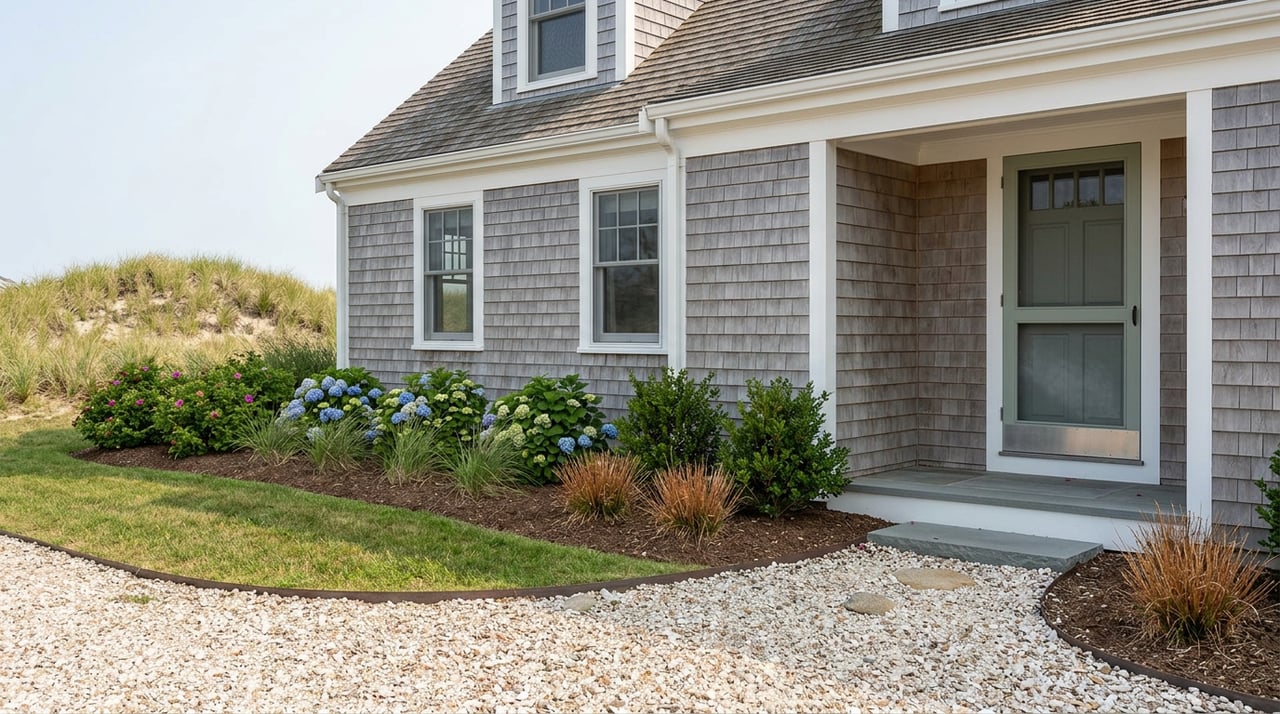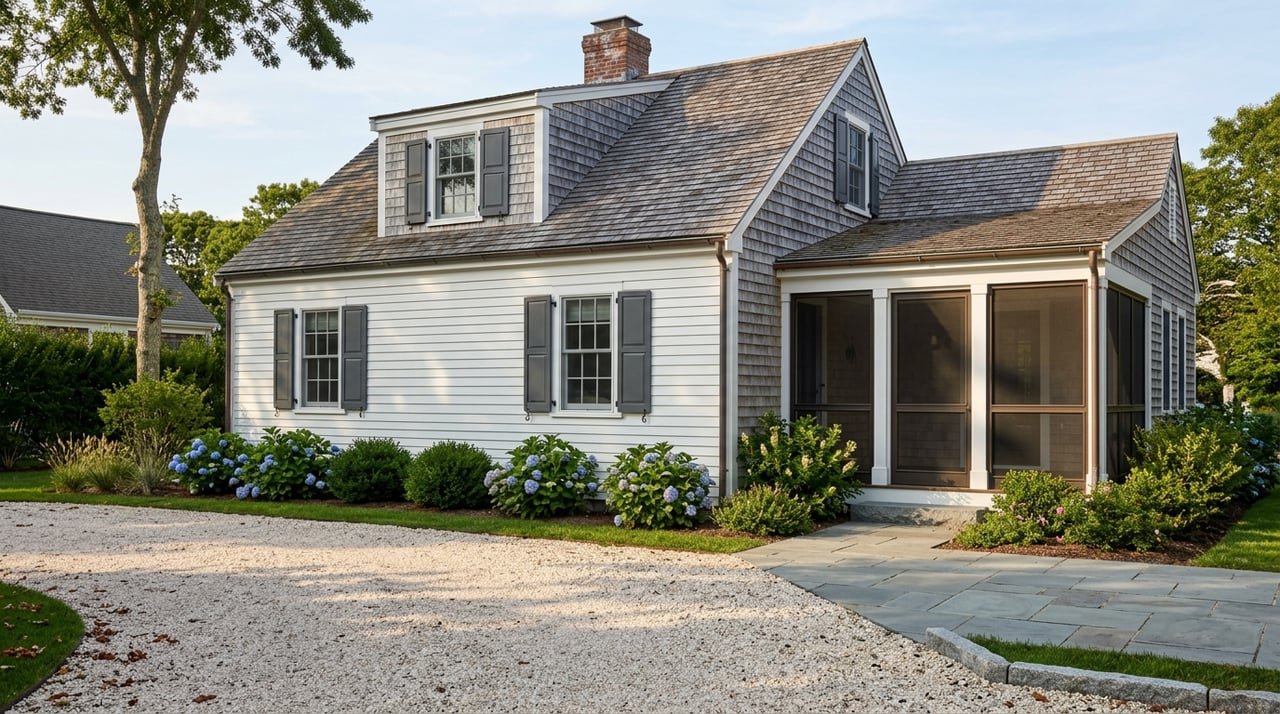
Choosing between Plymouth and the Upper Cape is not just about finding a home near the water. It is about deciding how you want your daily life to feel, how you want to get around, and what kind of town rhythm fits you best. If you are weighing mainland convenience against village-style Cape living, this guide will help you compare the tradeoffs with more clarity. Let’s dive in.
Plymouth and Upper Cape at a Glance
Plymouth and the Upper Cape both offer coastal living, but they do not feel the same on the ground. Plymouth is the larger community in this comparison, while Bourne, Sandwich, and Falmouth each have smaller populations and more distinct village patterns.
According to Census QuickFacts, Plymouth has a population of 67,846. Falmouth has 33,361 residents, Bourne has 20,772, and Sandwich has 20,575. In simple terms, Plymouth tends to feel like one larger harbor town, while the Upper Cape feels more like a collection of smaller coastal places connected by shared geography and lifestyle.
Plymouth Lifestyle and Setting
Plymouth has a more consolidated town center than most Upper Cape communities. Its historic district is centered around Water Street, North Park Avenue, Burial Hill, and Summer Street, creating a clear downtown and waterfront focus.
The Sea to Shining Sea Trail runs along the waterfront past Plymouth Harbor, the Mayflower II, and Plymouth Rock. That gives Plymouth a single harbor-centered identity that many buyers find easy to understand when they first start exploring the area.
For you, that can mean a more straightforward sense of place. If you like the idea of one main downtown, one recognizable waterfront core, and a larger year-round town structure, Plymouth may feel like the simpler fit.
Upper Cape Lifestyle and Setting
The Upper Cape has a different kind of appeal. Instead of one dominant center, Bourne, Sandwich, and Falmouth are shaped by multiple villages, each with its own rhythm and local character.
Bourne describes itself as a town of distinct villages, with Buzzards Bay serving as its downtown commercial core. Town planning materials also emphasize historic village centers and a maritime and rural character.
Sandwich describes its Historic Village District as the heart and soul of the community and its traditional downtown. The town notes a mix of residential, commercial, public, recreational, and entertainment uses within that area.
Falmouth is organized around eight villages, and town materials note that its year-round population is about 32,500 but rises to nearly 100,000 during the summer. The town also notes 68 miles of shoreline, which helps explain why Falmouth often feels especially tied to the water and to seasonal coastal activity.
If you are drawn to variety, village identity, and a stronger seasonal pulse, the Upper Cape may feel more aligned with the lifestyle you want. It can offer a more layered experience, especially if you enjoy exploring different village centers and shoreline settings rather than orienting around one downtown.
Commuting and Access Differences
For many buyers, the biggest practical difference is access. Plymouth generally offers a simpler mainland commute picture, while Upper Cape travel often requires more planning around the bridges.
Plymouth no longer has an active commuter rail station or spur. MassGIS reports that the closed Plymouth station and Plymouth spur were removed in November 2023.
That said, Plymouth still has daily bus access to Boston. Plymouth & Brockton runs daily service from Plymouth to South Station and Logan Airport, with a Plymouth Park and Ride on Route 3 exit 13.
On the Upper Cape, commuting is more bridge-dependent. The Cape Cod Commission states that the Bourne and Sagamore bridges are the only vehicular connections to and from Cape Cod, and they are critical for transportation and evacuation.
The bridge replacement program is still moving forward, which matters if you are thinking about long-term travel patterns. For current travel options, CapeFLYER offers seasonal summer weekend rail service from Memorial Day Weekend through Labor Day with stops at Buzzards Bay and Bourne, while Plymouth & Brockton also runs daily Woods Hole and Falmouth service to South Station and Logan.
If regular Boston access is part of your routine, Plymouth may feel easier to manage on a daily basis. If your focus is more on Cape lifestyle first and commuting second, the Upper Cape can still work well, but it usually requires more awareness of bridge traffic and seasonal travel flow.
Housing Costs by Area
Budget is another major factor, especially if you are comparing value across coastal locations. The most useful way to read the available data is directionally, not as a substitute for current listing-by-listing market analysis.
Census QuickFacts shows median owner-occupied home values of about $527,400 in Plymouth, $575,600 in Bourne, $601,400 in Sandwich, and $629,900 in Falmouth. Census also cautions that these estimates are not the same as live market comps and that different years are not directly comparable.
Still, the numbers help frame the landscape. Plymouth appears to be the lower-cost mainland entry point in this group, while Sandwich and Falmouth trend higher in owner-occupied value.
Here is a simple side-by-side snapshot:
| Area | Population | Median Owner-Occupied Value |
|---|---|---|
| Plymouth | 67,846 | $527,400 |
| Bourne | 20,772 | $575,600 |
| Sandwich | 20,575 | $601,400 |
| Falmouth | 33,361 | $629,900 |
For buyers, this often comes down to priorities. If you want to maximize coastal access while staying more budget-aware, Plymouth may offer an appealing starting point. If your top goals include village setting, shoreline lifestyle, or a stronger Cape identity, you may decide the Upper Cape premium is worth it.
How Housing Patterns Differ
Beyond pricing, the housing patterns also differ. On the Upper Cape, planning documents more clearly reference seasonal homes, village-center housing, and the conversion of homes for year-round or retirement use.
Bourne’s comprehensive plan notes that summer houses continue to be built and that others are being converted to year-round second homes or retirement homes. That can shape both neighborhood feel and housing inventory in ways that matter to second-home buyers, retirees, and year-round residents alike.
In Sandwich, the historic village core has limited room for new development. The town also notes that other residential districts include larger lots and more suburban characteristics, which can create a different feel depending on where you focus your search.
These details matter because they affect not just what you can buy, but how each area may evolve over time. If you are looking for a home that supports a long-term lifestyle plan, those local development patterns are worth considering early.
Which Area Fits Your Lifestyle Best?
The best choice depends on what you want your day-to-day life to look like. Both options are coastal, but they serve different priorities.
Choose Plymouth if you want mainland simplicity
Plymouth may be the better fit if you want a larger year-round town, a single historic waterfront core, and more straightforward mainland access. It can work well for buyers who want coastal character without the added logistics that often come with bridge travel.
Choose Bourne if you want Cape access
Bourne may suit you if you want to be on the Upper Cape while staying close to the canal crossings. Its village structure and practical location can appeal to buyers who want a year-round town with Cape identity and easier access on and off the Cape.
Choose Sandwich for historic village feel
Sandwich may be the strongest match if you are especially drawn to preserved historic-village character and a traditional downtown setting. Buyers who value that kind of established core often find Sandwich appealing for its sense of continuity and limited new development in the historic center.
Choose Falmouth for shoreline variety
Falmouth may be the right fit if you want the widest range of village settings, strong summer energy, and a more shoreline-oriented lifestyle. With eight villages and 68 miles of shoreline, it offers a broad mix of experiences within one town.
A Smart Way to Narrow the Choice
If you are still deciding, try comparing these areas through the lens of your actual week, not just your dream weekend. Think about where you need to go most often, how much seasonal activity you want around you, and whether you prefer one central downtown or several village centers.
It also helps to compare your budget against your non-negotiables. Waterfront access, village proximity, commute convenience, and year-round versus seasonal feel all influence where you may find the best long-term fit.
The good news is that there is no one-size-fits-all answer. The right choice is the one that lines up with your lifestyle, your travel patterns, and the kind of coastal experience you want to come home to.
If you are weighing Plymouth against Falmouth, Bourne, or Sandwich, a local comparison can save you time and help you focus on the areas that truly fit. Lynn O'Neill can help you sort through the tradeoffs and make a more confident move.
FAQs
Is Plymouth or the Upper Cape better for commuting to Boston?
- Plymouth is usually the simpler option for Boston access because it stays on the mainland and has daily bus service to South Station and Logan, while Upper Cape travel is more dependent on bridge access.
Is the Upper Cape only a seasonal place to live?
- No. Bourne describes itself as a year-round town, and Falmouth has a large year-round population that increases significantly in summer.
Which Upper Cape town has the strongest historic village feel?
- Sandwich stands out for its traditional historic village core, while Plymouth is more defined by a single harbor-front historic center.
Is Plymouth generally more affordable than Falmouth, Bourne, or Sandwich?
- Based on Census QuickFacts median owner-occupied home values, Plymouth trends lower than Bourne, Sandwich, and Falmouth, though those figures should be read as directional rather than as live market pricing.
What makes Falmouth different from Plymouth for homebuyers?
- Falmouth offers eight villages, 68 miles of shoreline, and a stronger summer coastal pulse, while Plymouth offers a larger mainland town with a more consolidated harbor-centered layout.