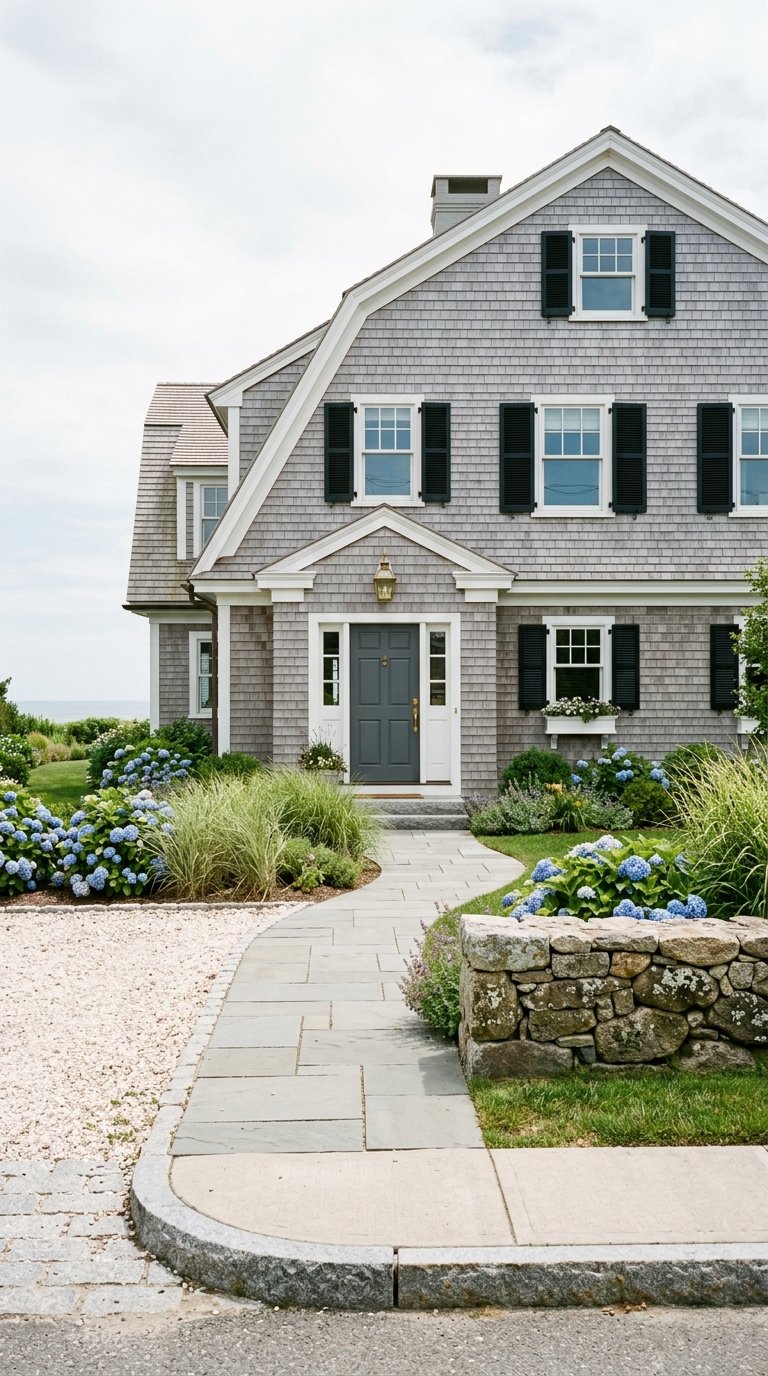
Wondering which Barnstable village feels most like your version of Cape Cod? That is a smart question to ask before you start touring homes, because in Barnstable, village choice shapes your day-to-day life as much as the home itself. From Hyannis’s transit and mixed-use convenience to Cotuit’s quieter residential feel, each village offers a different mix of housing, access, and rhythm. This guide will help you compare Barnstable’s coastal villages with more clarity so you can focus your search with confidence. Let’s dive in.
Why village choice matters in Barnstable
Barnstable is one town, but it is made up of seven distinct villages: Hyannis, Centerville, Osterville, Cotuit, Marstons Mills, West Barnstable, and Barnstable Village. Each one has its own layout, village center, shoreline access, and housing pattern.
That matters because your experience as a homeowner can vary quite a bit from one village to another. Things like beach access, harbor activity, traffic routes, lot sizes, and public infrastructure all play a role in how a property lives over time.
The town’s 2025 Housing Production Plan also notes that most residential and commercial areas still rely on septic systems, while sewer service is limited to a small area of Barnstable Village, portions of Hyannis, and Independence Park. Water service is village-specific as well, which can influence redevelopment potential, property use, and the overall feel of a neighborhood.
Barnstable villages at a glance
If you are comparing Barnstable as a homebuyer, it helps to think in terms of lifestyle priorities first. Some villages are better suited to buyers who want a walkable center or commute flexibility, while others appeal more to those looking for a lower-density setting or stronger beach and harbor identity.
| Village | Best fit for | General feel |
|---|---|---|
| Hyannis | Buyers who want transit access, mixed-use areas, and convenience | Most active, compact, and connected |
| Centerville | Buyers who want an established village with strong beach access | Traditional and well-established |
| Osterville | Buyers seeking a polished seaside village with coastal access | Refined, coastal, and service-oriented |
| Cotuit | Buyers who prefer a quieter residential village near the water | Intimate and low-intensity |
| Barnstable Village | Buyers drawn to history, harbor activity, and classic Cape character | Historic and harbor-centered |
| West Barnstable | Buyers looking for a more rural setting and larger-lot feel | Lower-density and rural |
| Marstons Mills | Buyers who want village character with a more inland setting | Rural village with modest mixed use |
Hyannis: best for convenience and connectivity
Hyannis functions as Barnstable’s commercial, transportation, cultural, social-service, and health-care center. It is also the strongest fit if you want flexibility for commuting, off-Cape travel, or getting around the Cape without relying only on local roads.
Downtown Hyannis is served by public sewer and water, and it is home to the Hyannis Transportation Center, the Steamship Authority terminal, and Cape Cod Gateway Airport. The area also includes Main Street, the harbor, the hospital, Route 132, and the West Main Street and Route 28 corridors.
From a housing standpoint, Hyannis has the most compact and mixed-use pattern in town. Official zoning allows multifamily dwellings as of right in several downtown districts, and the current housing plan shows a more even spread of smaller unit sizes than in the other villages.
If your priorities include convenience, varied housing options, or staying close to services and transportation, Hyannis deserves a close look. Buyers who like nearby beaches also have options such as Kalmus Beach, Keyes Beach, and Veteran’s Park Beach.
Who Hyannis tends to suit
Hyannis may be a strong match if you want:
- Easier access to buses, ferry service, seasonal rail, or the airport
- A more mixed-use setting with a compact housing pattern
- Close proximity to shopping, services, and health care
- A village feel that is more active than quiet
Centerville: best for classic village appeal and beaches
Centerville blends a traditional village center with strong beach access. Town planning documents describe a classic New England appearance, historic buildings, and scenic areas, with Main Street and Craigville Beach standing out as defining features.
The village was described as the most developed village in Barnstable and nearing buildout under prior zoning. For buyers, that often points to an established neighborhood pattern rather than large amounts of undeveloped land.
Centerville is also closely tied to some of the town’s best-known beach and water access points, including Craigville Beach, Covell’s Beach, and Wequaquet Lake Beach. If your idea of Cape living includes an established setting with recognizable village character and strong recreational access, Centerville is worth considering.
Osterville: best for a polished seaside setting
Osterville has a strong seaside-village identity and a convenient center with a broad range of local services. The village plan describes retail, professional services, banking, small shops, galleries, offices, and some multifamily apartments and townhouses within the center.
For many buyers, that creates a nice middle ground. You get a village core with activity and convenience, but not the regional scale of Hyannis.
Osterville is also defined by its coastline, harbor areas, and nearby waterfront amenities. Town listings connect the village to Dowses Beach and Joshua’s Pond, and the surrounding harbor setting adds to its coastal appeal.
If you are looking for a village with a polished center, coastal access, and a distinctly seaside feel, Osterville often rises to the top of the list.
Cotuit: best for a quieter coastal feel
Cotuit feels more intimate and more residential than Hyannis. Its peninsula location and relationship with the sea are central to its identity, but the village plan also emphasizes open areas, conservation land, and a low-intensity business district.
The village center around Main and School Streets is described as mostly residential, with a small collection of civic and local business uses. That helps explain why Cotuit often appeals to buyers who want coastal character without a busier commercial environment.
Cotuit’s beach and pond access add to that appeal. Town beach listings connect the village to Loop Beach, Ropes Beach, and Lovell’s Pond.
What to know about Cotuit housing feel
Cotuit tends to align with buyers who value:
- A residential setting with a smaller village center
- Open space and conservation land nearby
- Coastal access in a quieter setting
- Lower-intensity day-to-day activity
Barnstable Village: best for history and harbor life
Barnstable Village is one of the town’s most historic harbor settings. The village plan ties its identity to historic landscapes, views, and Cape Cod-style character, including sea captain houses along Old Kings Highway and side roads that lead toward the harbor.
The harbor itself remains a working harbor with marine service and repair facilities, a fish market, boat yards, restaurants, apartments, and single-family homes. That mix gives the area a distinct working-waterfront identity that stands apart from the other villages.
For buyers, Barnstable Village can be especially appealing if you value classic architecture, harbor activity, and a sense of place shaped by history. Nearby recreation includes Millway Beach and Sandy Neck Beach, which adds another layer to its waterfront appeal.
West Barnstable: best for space and a rural setting
West Barnstable is the lower-density, more rural option within Barnstable. Town planning documents describe it as a former agricultural village with farmhouses, barns, and outbuildings along Route 6A and side roads.
The village has a strong historic and rural identity, and residents have expressed a desire to keep that character intact. The current housing plan also notes that the West Barnstable Village Business District permits single-family houses on minimum one-acre lots.
For buyers, that points to a very different experience from Hyannis. If you are searching for a quieter setting, more space, and a village with a rural backdrop, West Barnstable may be the strongest fit.
Marstons Mills: best for inland village character
Marstons Mills sits farther inland than the more shoreline-centered villages, but it still offers a true village identity and nearby water access. The village plan highlights its rural character, longstanding village center, Mill Pond, golf course, airfield, and horse farm as defining features.
The 2025 housing plan also notes that the Marstons Mills Village District allows small mixed-use buildings with residential units above. That makes it one of the few places in Barnstable where modest village-scale mixed use is still clearly encouraged.
Marstons Mills may appeal if you want village character and a lower-key setting, while still having access to amenities like Prince Cove Marina and Hamblin’s Pond nearby.
How infrastructure shapes your home search
One of the most important parts of comparing Barnstable villages is understanding how infrastructure affects housing choices. Most of Barnstable still relies on septic, while sewer service is limited to small parts of town, including portions of Hyannis and Barnstable Village.
Water service also varies by village. Centerville, Osterville, and Marstons Mills are served by COMM, Cotuit is served by the Cotuit Fire District, Barnstable is served by the Barnstable Fire District, and Hyannis has a town water system.
These details may sound technical, but they can influence lot size, future changes to a property, and the general development pattern you will see from village to village. They are part of the reason Hyannis feels more compact and mixed-use, while villages like West Barnstable and Cotuit tend to feel lower-density.
How to choose the right Barnstable village
The best village for you depends on how you want to live, not just which homes happen to be available this week. A clear sense of priorities can help you narrow your search much faster.
Start by asking yourself what matters most:
- Do you want the strongest transportation and service access? Hyannis stands out.
- Do you want a traditional village with notable beach access? Centerville may fit.
- Do you want a polished seaside center? Osterville is a strong contender.
- Do you want a quieter residential coastal setting? Cotuit may feel right.
- Do you want historic harbor character? Barnstable Village deserves attention.
- Do you want more space and a rural setting? West Barnstable may be the best match.
- Do you want village identity in a more inland location? Marstons Mills is worth a look.
Route 6, Route 6A, and Route 28 also shape daily life across town. Traffic, parking, and water and wastewater capacity are recurring themes in town planning documents, so it is important to think beyond the listing photos and consider how each village works in real life.
Choosing between Barnstable’s villages is really about matching a home search to your lifestyle. If you want help weighing village character, housing patterns, and day-to-day fit across Cape Cod, Lynn O'Neill can help you make a more confident move.
FAQs
What is the most connected village in Barnstable for commuting and travel?
- Hyannis is the most connected village because it includes the transportation center, ferry terminal, airport, bus service, and seasonal rail service.
Which Barnstable village has the most mixed-use and multifamily housing?
- Hyannis has the most mixed-use and multifamily-oriented housing pattern, supported by downtown zoning that allows multifamily dwellings as of right in several districts.
Which Barnstable villages are best known for beach access?
- Centerville, Osterville, Cotuit, and West Barnstable each have town beaches or shoreline access that are closely tied to village identity, including Craigville Beach, Dowses Beach, Loop Beach, and Sandy Neck Beach.
What makes Barnstable Village different from Hyannis for homebuyers?
- Barnstable Village is more historic and harbor-centered, while Hyannis is more active, mixed-use, and oriented around transportation, services, and commercial activity.
Why do septic and water service matter when buying in Barnstable?
- Septic and water service can affect lot size, property use, redevelopment potential, and the overall housing pattern you will see in each village.