If you are thinking about buying near the Cape Cod Canal in Bourne, you are probably looking for more than just a house. You are looking for easy access to the water, walking and biking paths, village convenience, and a home that fits how you want to spend your time on Cape Cod. The canal area offers a very specific lifestyle, and understanding how location, housing stock, and access all work together can help you make a smarter move. Let’s dive in.
Why canal living stands out
Buying near the Cape Cod Canal gives you a lifestyle that feels active, scenic, and connected. The canal itself is a 17.4-mile navigable waterway operated by the U.S. Army Corps of Engineers, and the canal lands attract more than four million visitors each year. That level of use tells you something important right away: this is not an isolated corner of town, but a well-loved regional destination.
In daily life, that means you may have easy access to paved paths, fishing areas, visitor amenities, and places to watch ships pass through. It also means your experience can shift with the seasons. A quiet winter morning near the canal can feel very different from a summer afternoon when recreational traffic is at its peak.
Bourne villages shape the experience
Bourne describes itself as a town of distinct villages, and that matters if you are choosing a canal-area home. Buyers are often comparing village feel, path access, and bridge proximity rather than looking at one large, uniform market. In Bourne, where you buy can shape how you use the area every day.
Buzzards Bay and canal access
Buzzards Bay is the downtown hub and the starting point of the canal bikeway. Buzzards Bay Park offers direct access to the canal pedestrian path, along with public parking, open space, a seasonal splash pad, and about 14 miles of paved pathways for walking, jogging, and cycling. If you want a location that supports a more active, out-the-door lifestyle, this part of Bourne often draws attention.
Other Bourne village settings
Bournedale, Bourne Village, Gray Gables, Monument Beach, Pocasset, and Cataumet each offer different residential settings. Some buyers may prefer to be very close to the canal path or bridge approaches, while others may want a little more separation from visitor activity while still staying within easy reach. The right fit often comes down to how you balance convenience, privacy, and everyday traffic patterns.
Recreation is part of daily life
The canal is more than a view. It is a major recreational asset that shapes the rhythm of the area. If your goal is to buy a home where outdoor access is part of your routine, this is one of Bourne’s biggest strengths.
USACE recreation areas in Bourne include Herring Run, the Sagamore Bridge Area, Tidal Flats, the Bourne Bridge Area, and Midway Station. Herring Run is noted by USACE as the most popular recreation area and includes a visitor information center and fish ladder. The seasonal Cape Cod Canal Visitor Center adds another layer, with free exhibits and interpretive programming.
Scusset Beach State Reservation, located at the canal terminus, also adds to the lifestyle appeal. With 1.5 miles of beachfront and ship-watching opportunities, it expands what “near the canal” can mean for your weekends and time off. For many buyers, that blend of path access, water views, and public recreation is a big part of the value.
What homes near the canal are usually like
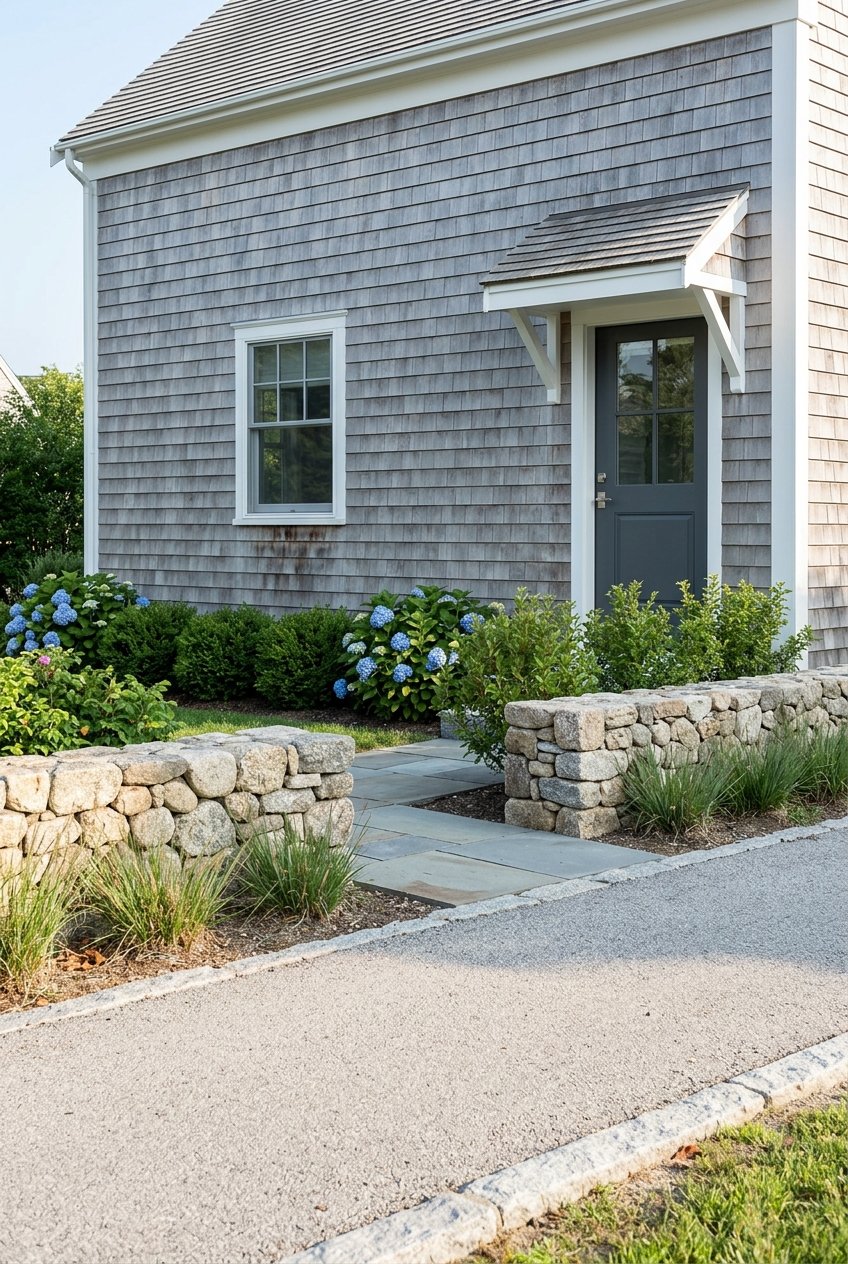
If you are picturing rows of modern waterfront condos, Bourne may surprise you. The town’s housing stock is weighted much more heavily toward single-family homes than larger condo development. In 2021, 79.6% of housing units were one-unit detached homes, while condos, townhouses, and larger multifamily buildings made up a smaller share of the overall inventory.
That tells you two things. First, canal-area buyers will usually spend most of their search looking at single-family properties. Second, when a condo, townhouse, or smaller multifamily option comes on the market, it may feel more limited simply because there is less of it to begin with.
Expect older housing stock
A large share of Bourne homes were built decades ago. The town’s housing production plan says 17% of units predate World War II and 57% were built before 1980. Older homes can offer charm, established settings, and locations that would be hard to recreate today, but they can also require closer review.
For buyers, this often means paying attention to maintenance history and renovation needs. The town specifically notes that older homes may involve lead paint, deferred maintenance, and septic-system issues. If you are buying for lifestyle and long-term value, it helps to go in with a clear plan for repairs, updates, or future capital improvements.
Seasonality is part of the market
Bourne also has a meaningful seasonal housing component. The town estimates 8,572 year-round units and 2,568 seasonal, occasional, or recreational units, with seasonal or occasional homes making up about 20.8% of the total. Near the canal, that can affect how neighborhoods feel at different times of year.
Some homes may function as second homes or part-time residences, while others are used year-round. If you are shopping for a primary home, that distinction may matter to you. If you are buying a second home, it may actually be part of the appeal.
Access matters more than many buyers expect
A canal-area home can look perfect on paper, but access is one of the biggest real-world factors in how the property lives. Bourne sits about 60 miles southeast of Boston, and travel on and off Cape Cod funnels through the Bourne and Sagamore bridges. That makes route choice and traffic timing part of the buying conversation.
For some buyers, being close to a bridge approach feels convenient. For others, it may raise concerns about seasonal congestion or noise. The right answer depends on how often you commute, when you travel, and whether the home will be a full-time residence or a retreat.
Bridge changes are a long-term factor
The bridge corridor is also evolving. MassDOT and USACE are pursuing the Cape Cod Bridges Program to replace both the Sagamore and Bourne bridges, and the state has said the existing bridges are structurally deficient, functionally obsolete, and nearing the end of their usable life. That does not mean every nearby purchase should be viewed as risky, but it does mean buyers should treat access as a long-term variable.
There is also recent evidence of periodic disruption. In May 2026, USACE announced that lane restrictions on the Bourne Bridge were lifted after paving work, restoring full four-lane capacity ahead of schedule. Even when current work is complete, this is still a corridor where construction updates and traffic management can affect daily movement.
Why canal-area homes can hold appeal
Long-term value near the canal is often tied to scarcity and lifestyle. Bourne’s housing plan notes that construction has slowed, available land for development has shrunk, and about one-quarter of permits for new dwelling units involve demolition or replacement. In simple terms, there is not an endless pipeline of brand-new comparable homes coming to market.
That can support value for well-located properties, especially homes with canal access, views, or easy connections to village amenities. Buyers are often paying not just for the structure itself, but for a location that is hard to duplicate. In a place where the setting does a lot of the work, that matters.
Regional pricing also supports realistic expectations. CCIAOR reported a 2025 Cape Cod median sales price of $790,000 for single-family homes and an April 2026 regional median of $830,000. Those are Cape-wide numbers rather than Bourne-only figures, but they help frame the broader market buyers are stepping into.
Smart questions to ask before you buy
Near the canal, due diligence is especially important because housing stock, access, and seasonal use all intersect. A beautiful home in the right setting can be a strong long-term fit, but the details matter. The best buyers look closely before they commit.
Here are a few questions worth asking during your search:
- How close is the property to the canal path, bridge approaches, and recreation areas?
- Are there any parking, access, or easement constraints?
- Is the home in a flood-prone area or likely to require insurance related to flood risk?
- How old are the septic system, roof, windows, and exterior elements?
- Are there condo, HOA, or rental rules that limit how the property can be used?
- Does the home’s seasonal or year-round use history affect your plans?
A thoughtful search near the canal is usually less about rushing to the first appealing listing and more about matching the property to your real day-to-day life. That is especially true in Bourne, where village setting and access can matter just as much as the house itself.
Finding the right fit in Bourne
Buying near the Cape Cod Canal in Bourne can be a great move if you value outdoor access, coastal character, and a location with lasting appeal. At the same time, it helps to understand that the market here is shaped by older homes, seasonal rhythms, and bridge-dependent travel. When you know what to look for, you can buy with more confidence and fewer surprises.
If you want help comparing villages, evaluating canal-area tradeoffs, or narrowing in on the right property for your goals, working with a local advisor can make the process much clearer. Lynn O'Neill can help you navigate Bourne and the broader Upper Cape with the kind of practical local insight that makes a difference.
FAQs
What is it like to live near the Cape Cod Canal in Bourne?
- Living near the canal often means easy access to paved walking and biking paths, fishing areas, water views, and seasonal recreation, along with busier visitor activity during warmer months.
What types of homes are common near the Cape Cod Canal in Bourne?
- Most housing in Bourne is single-family, one-unit detached homes, so buyers near the canal will usually see more houses than large condo or townhouse inventory.
Are homes near the Cape Cod Canal in Bourne older?
- Yes. Bourne has a relatively older housing stock, with 57% of homes built before 1980, so buyers should pay close attention to maintenance, updates, and systems like septic.
Does bridge traffic affect buying near the Cape Cod Canal in Bourne?
- Yes. Because travel on and off Cape Cod funnels through the Bourne and Sagamore bridges, commuting patterns, seasonal traffic, and future bridge projects can all affect daily convenience.
Is buying near the Cape Cod Canal in Bourne good for a second home?
- It can be, especially if you want a seasonal or occasional-use property in an area with strong outdoor and coastal lifestyle appeal. Bourne has a notable share of seasonal and recreational housing.
What should buyers check before purchasing a canal-area home in Bourne?
- Buyers should review access, easements, flood risk, insurance needs, septic age, roof and window condition, and any HOA, condo, or rental rules that could affect use.