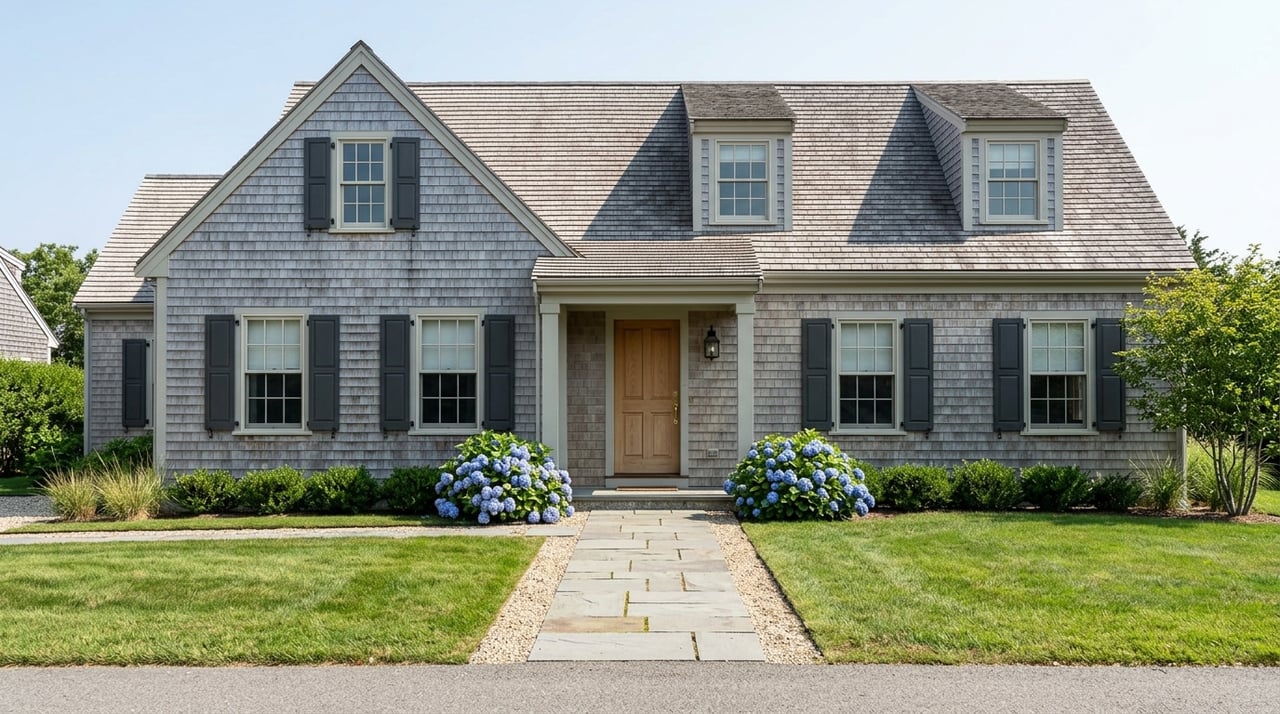
Thinking about a second home on Cape Cod? You are not alone. In Barnstable County, 33% of the housing stock is used seasonally or as second homes, which means you are entering a market where lifestyle, timing, and local details matter just as much as price. If you want a place for summer weekends, partial year-round living, or a future retirement move, knowing how Cape Cod really works can help you buy with more confidence. Let’s dive in.
Why Cape Cod second homes are different
Cape Cod is not a typical second-home market. The region has strong seasonal swings, and those shifts can affect everything from traffic patterns to how often you may actually use the home.
The Cape Cod Commission notes that Mid and Upper Cape towns are generally less seasonal than Lower and Outer Cape towns. It also reported that Barnstable County employment peaked in July at 34% above February in its benchmark year, which gives you a clear picture of how much activity rises in peak season.
That seasonality matters when you choose both a town and a property type. A home that feels ideal for August vacations may not be the best fit if you want frequent off-season weekends or a smooth transition to fuller year-round use later.
Understand today’s Barnstable County market
Before you focus on one village or town, it helps to understand the county-wide market. In the 2025 Barnstable County report for single-family homes and condos combined, the median sales price was $739,000, the average sales price was $1,025,328, inventory was 598 homes, months’ supply was 2.0, days on market were 51, and sellers received 95.2% of original list price.
That tells you two things. First, this is still a relatively tight market. Second, broad county numbers are helpful for context, but they are not enough to guide a second-home purchase on their own.
Cape Cod varies widely by town, setting, and property type. A waterfront house, a village condo, and a tucked-away inland home may all behave very differently, even within the same town.
Match the town to your lifestyle
One of the biggest second-home mistakes is starting with a house before thinking through how you will actually use it. On Cape Cod, your ownership goals should shape where you begin.
If you expect frequent weekend trips from the Boston area or want a home that could support partial year-round living, the Upper Cape is often the most practical place to start. The Cape Cod Commission identifies the Mid and Upper Cape as generally less seasonal, and it notes that Sandwich is the least seasonal Cape community.
For many buyers, that can mean a more flexible ownership experience. You may find it easier to enjoy the home beyond the summer season and to build routines around shorter, more frequent stays.
Lifestyle is a major driver for second-home buyers here. In a 2021 second-homeowner survey, owners commonly valued access to the coast, outdoor recreation, more open space, historic character, retirement potential, and proximity to Boston or Providence.
Compare price points across towns
Cape Cod is not one price band. Your budget can go much further in some towns than others, so it helps to compare markets early.
Here is a snapshot of 2025 town-level median sales prices from the county report:
| Town | Median Sales Price |
|---|---|
| Bourne | $610,000 |
| Mashpee | $699,000 |
| Sandwich | $707,500 |
| Barnstable | $715,000 |
| Falmouth | $849,900 |
| Provincetown | $1,152,500 |
| Chatham | $1,500,000 |
These numbers are useful for planning, but they are directional. The county report combines single-family and condo sales, so they should not replace a more detailed look at the specific property type and area you want.
Budget beyond the purchase price
A second home budget should be broader than your mortgage approval. Cape Cod ownership often includes costs that can feel more significant than in a newer inland market.
One reason is age. Barnstable County’s April 2026 housing profile says nearly 90% of the region’s housing stock is more than 20 years old. That means maintenance, repairs, and replacement planning should be part of your buying decision from day one.
When you look at a home, think beyond finishes and layout. Ask what systems may need attention over the next few years and what level of upkeep fits your lifestyle if you are not on the Cape full-time.
Key costs to plan for
When building your second-home budget, consider:
- Purchase price
- Down payment and financing
- Property taxes
- Insurance
- Septic or sewer-related costs
- Furnishing and setup
- Ongoing maintenance and repairs
- Storm or coastal exposure considerations
- Any local rental registration or tax costs if you plan to rent
This kind of planning matters in Barnstable County. The county housing profile estimates that while median household income was about $95,241, the annual income needed to afford a median-priced home was about $218,000. Even if you are buying a second home from a position of financial strength, the larger message is clear: carrying costs matter.
Septic and wastewater deserve early attention
On Cape Cod, wastewater is not a side issue. It is a major part of responsible ownership and smart due diligence.
Massachusetts guidance says septic systems should be inspected when buying or selling a home. That alone makes septic a critical checkpoint before you close.
The Cape Cod Commission also reports that wastewater is the primary source of nitrogen to the Cape’s coastal embayments, with septic systems contributing 94% of wastewater nitrogen and nearly 80% of the controllable nitrogen load. For you as a buyer, that means the property’s septic status, condition, and future needs are important practical questions, not just paperwork items.
If a home is on sewer, you will want to understand that cost structure. If it is on septic, you will want to know what a Title 5 inspection means, what system limitations exist, and whether future upgrades may affect your ownership costs.
Think carefully about rental income
Many buyers like the idea of offsetting costs by renting out a second home. That can be part of the picture, but it should not be assumed.
In the 2021 second-homeowner survey, only 27% of second homeowners said they had ever rented their Cape house. The same survey also found use and occupancy were highest in the summer months, which means many owners buy primarily for personal enjoyment rather than as a rental-first strategy.
If rental income is part of your plan, local rules can change the math quickly. Barnstable requires annual rental registration for short-term rentals, and its FAQ says the total tax burden on a short-term rental is 14.45%.
Falmouth’s current update lists a 5.7% state tax, 6% town tax, 2.75% Cape Cod Water Quality Fund tax, and a 3% community impact fee on professionally managed units. Before you buy with rental goals in mind, it is worth confirming the town’s current rules, registration requirements, and tax structure.
Check flood and coastal risk early
If you are buying near the water, flood and coastal due diligence should happen early, not after you fall in love with the home. This is one of the most important ways Cape Cod differs from many other second-home markets.
FEMA says flood insurance is generally required for buildings in a Special Flood Hazard Area when the mortgage is federally backed. That makes flood zone review a key step in understanding your total monthly cost.
At the same time, Cape Cod buyers should know that FEMA maps are not the whole story. The Cape Cod Commission notes that FEMA flood maps reflect observed prior flood conditions and do not fully capture future sea-level rise or increasing storm intensity.
The Commission also explains that shoreline features are dynamic and that structures near them can worsen erosion or flood damage. In some towns, coastal resilience tools may be stricter than minimum flood program standards, which is another reason local guidance matters.
Consider how connected you need to be
If you plan to work remotely from your second home, broadband should be part of your search criteria. This is especially important if your plan includes longer stays beyond peak summer.
The 2021 second-homeowner survey found that broadband was widely used by second homeowners and largely met their needs. Even so, service can vary by location and house, so it is wise to confirm what is available at the specific property before you move too far ahead.
Questions to answer before you buy
A strong second-home purchase often starts with the right questions. Before you make an offer, try to get clarity on these points:
- Is this town best for weekend use, summer-only use, or longer stays?
- Does the town’s seasonality match how you want to live in the home?
- Is the property on septic or sewer?
- What does the Title 5 process involve for this home?
- Is the home in or near a flood zone?
- Will flood insurance likely be required?
- If you plan to rent, what local taxes, registration, or fees apply?
- Is broadband adequate for remote work or longer visits?
- Does the home’s age suggest near-term maintenance or replacement costs?
These are the details that shape the real ownership experience. On Cape Cod, they are often just as important as bedroom count, lot size, or updated finishes.
Why local guidance matters on Cape Cod
Second-home purchases always involve emotion. On Cape Cod, they also involve more moving parts than many buyers expect.
Seasonality, coastal conditions, septic systems, older housing stock, and town-by-town rental rules can all affect the decision well before closing. That is why local guidance is especially valuable here, particularly if you are comparing Upper Cape options like Falmouth, Bourne, Mashpee, or Sandwich.
The best second home is not simply the prettiest one or the one closest to the water. It is the one that fits how you want to spend your time, what you want to budget comfortably, and how you want this next chapter to feel.
If you are starting your search for a second home on Cape Cod, working with a local advisor can help you narrow the right towns, spot the right questions early, and move forward with a clear plan. To explore your options with a team that knows the Upper Cape and broader Cape market well, connect with Lynn O'Neill.
FAQs
What should you know before buying a second home on Cape Cod?
- You should understand seasonality, town differences, housing age, septic or sewer status, possible flood risk, insurance needs, and any local rental rules that could affect your costs and use of the property.
Which Cape Cod towns may work best for frequent weekend use?
- If you want easier weekend access and more flexibility beyond summer, the Upper Cape is often a practical starting point because Mid and Upper Cape towns are generally less seasonal than Lower and Outer Cape towns.
How competitive is the Barnstable County housing market?
- In the 2025 county report for single-family homes and condos combined, months’ supply was 2.0, median sales price was $739,000, days on market were 51, and sellers received 95.2% of original list price.
Why is septic so important when buying a Cape Cod home?
- Septic matters because Massachusetts says systems should be inspected when buying or selling, and Cape Cod wastewater conditions make septic performance a major part of ownership, planning, and long-term cost.
Can you rely on short-term rental income from a Cape Cod second home?
- You should not assume that rental income will be central to ownership because only 27% of second homeowners in the 2021 survey said they had ever rented their Cape house, and local taxes and registration rules can materially affect the numbers.
Do you need flood insurance for a second home on Cape Cod?
- Flood insurance is generally required for buildings in a Special Flood Hazard Area when the mortgage is federally backed, so checking flood mapping and coastal exposure early is an important step in due diligence.