By O’Neill Group
There is something deeply rewarding about stepping out your back door to harvest tomatoes you grew yourself or cutting fresh herbs directly into a pan on a Tuesday night. If you've been thinking about starting a garden at home but aren't sure where to begin, Falmouth is one of the most rewarding places to tackle it. Cape Cod's climate, coastal light, and rich local gardening culture make this town an ideal setting for first-time gardeners to dig in and discover what grows best right outside their door.
Falmouth sits at the elbow of the Cape, where the growing season is shaped by the moderating influence of Nantucket Sound and Buzzards Bay. That means milder springs, extended fall harvests, and a microclimate that surprises many newcomers with its generosity. Whether you're working with a sun-drenched backyard, a narrow side yard, or even a sunny deck, there is a version of a home garden that works for your space and your schedule.
This guide will walk you through everything you need to know to get started, from choosing the right location and building your first bed to understanding what grows well on the Cape and how to keep things thriving through the season. You don't need prior experience. You just need a little preparation and the willingness to get your hands in the soil.
Key Takeaways
-
Falmouth's coastal microclimate supports a longer, more forgiving growing season than much of New England.
-
Starting with a small, clearly defined raised bed or container garden reduces overwhelm and builds confidence quickly.
-
Soil quality is the single most important factor in home garden success; investing in it upfront pays off all season long.
-
Vegetables, herbs, and native perennials all thrive in Falmouth yards when matched to the right sun and drainage conditions.
-
Timing your planting around Cape Cod's last frost date (mid-April to early May) sets your garden up for a strong, productive season.
Choosing the Right Location in Your Falmouth Yard
Before you buy a single seed packet, spend a few days observing your yard. The most common mistake new gardeners make is choosing a planting location based on convenience rather than the actual conditions. Walk your property at different times of day and pay attention to where the sunlight falls and for how long.
Most vegetables, including tomatoes, peppers, cucumbers, and beans, need at least six hours of direct sun daily. Herbs like basil, rosemary, and thyme are similarly sun-hungry. If your yard leans shady, you're not out of options; leafy greens, lettuce, spinach, and herbs like parsley and cilantro perform well with four to five hours of light and actually prefer cooler, partially shaded conditions in midsummer.
Drainage is another critical factor, especially on Cape Cod, where sandy soils drain quickly but certain low-lying areas can hold water after heavy rain. Avoid areas where puddles linger after a storm. Raised beds are particularly well-suited to yards in Falmouth because they let you control both drainage and soil composition regardless of what's happening beneath your lawn.
Most vegetables, including tomatoes, peppers, cucumbers, and beans, need at least six hours of direct sun daily. Herbs like basil, rosemary, and thyme are similarly sun-hungry. If your yard leans shady, you're not out of options; leafy greens, lettuce, spinach, and herbs like parsley and cilantro perform well with four to five hours of light and actually prefer cooler, partially shaded conditions in midsummer.
Drainage is another critical factor, especially on Cape Cod, where sandy soils drain quickly but certain low-lying areas can hold water after heavy rain. Avoid areas where puddles linger after a storm. Raised beds are particularly well-suited to yards in Falmouth because they let you control both drainage and soil composition regardless of what's happening beneath your lawn.
What To Look For in a Planting Location
-
At least six hours of direct sunlight daily for most vegetables and herbs.
-
Level or gently sloped ground that allows water to drain without pooling.
-
Proximity to a water source, so that hauling a hose doesn't become a chore that discourages you from watering consistently.
-
Protection from coastal winds, which can dry out plants and damage fragile stems; a fence, hedge, or structure on the windward side helps.
-
Distance from large trees, whose roots compete aggressively for water and nutrients underground.
Building Your First Garden Bed
Once you've identified the location, resist the urge to immediately till up a big patch of lawn. Starting small is the best advice that any experienced gardener will give a beginner. A four-by-eight-foot raised bed gives you enough room to grow a meaningful amount of food without overwhelming your time or budget. You can always expand next season.
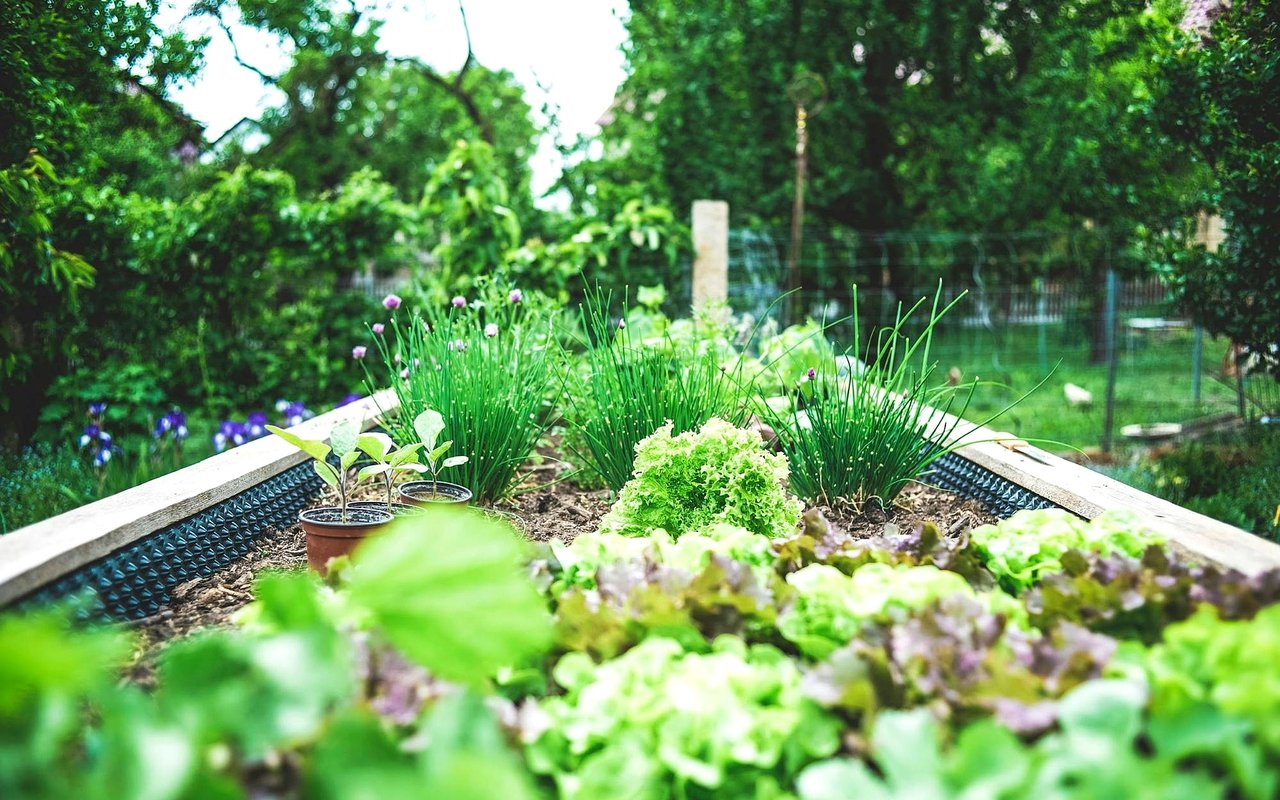
Raised beds offer Falmouth homeowners a particular advantage: you fill them with the exact soil mix you want, sidestepping the Cape's naturally sandy, low-nutrient native soils. A standard mix for a raised bed is equal parts topsoil, compost, and a perlite or coarse sand additive for aeration. Local garden centers carry pre-mixed "garden soil" or "raised bed mix" that simplifies this considerably.
If a raised bed isn't in your budget yet, container gardening is a completely viable alternative. Large pots, half wine barrels, and fabric grow bags all work well on a sunny deck or patio. The key with containers is sizing up rather than down; a bigger pot holds moisture longer and gives roots room to spread.
Raised beds offer Falmouth homeowners a particular advantage: you fill them with the exact soil mix you want, sidestepping the Cape's naturally sandy, low-nutrient native soils. A standard mix for a raised bed is equal parts topsoil, compost, and a perlite or coarse sand additive for aeration. Local garden centers carry pre-mixed "garden soil" or "raised bed mix" that simplifies this considerably.
If a raised bed isn't in your budget yet, container gardening is a completely viable alternative. Large pots, half wine barrels, and fabric grow bags all work well on a sunny deck or patio. The key with containers is sizing up rather than down; a bigger pot holds moisture longer and gives roots room to spread.
Getting the Garden Bed Ready
-
Choose untreated cedar or pine for a raised bed frame; both resist rot and are safe around food crops.
-
Fill the bed with a quality growing mix, not native soil alone, which often drains too quickly and lacks nutrients.
-
Add a two-to-three-inch layer of compost to the surface before planting; it improves moisture retention and feeds plants slowly over the season.
-
Water the bed thoroughly a day before planting to help the soil settle and reach the right moisture level.
-
Consider adding a simple drip irrigation line or soaker hose; consistent watering makes a significant difference in plant health and yield.
Timing Your Planting on the Cape
Getting the timing right is where many first-time gardeners make avoidable mistakes. Falmouth's average last frost date falls between mid-April and early May, though in practice, the maritime influence often means lighter frosts and more flexibility than the calendar suggests. Still, cold-sensitive crops like tomatoes, peppers, and basil should not go outside until nighttime temperatures reliably stay above 50 degrees Fahrenheit.
Cool-season crops, on the other hand, can go in the ground as early as late March or early April. Peas, spinach, kale, lettuce, and radishes all prefer cool soil and can handle a light frost. Getting these into the ground early maximizes your harvest window before summer heat arrives and causes them to bolt.
Starting seeds indoors is a worthwhile strategy for tomatoes, peppers, and eggplant, which need eight to ten weeks of indoor growth before transplanting. Many Falmouth gardeners start seeds under grow lights in late February or early March. If seed-starting feels like too much for your first season, purchasing transplants from a local nursery in late May is a perfectly good approach.
Cool-season crops, on the other hand, can go in the ground as early as late March or early April. Peas, spinach, kale, lettuce, and radishes all prefer cool soil and can handle a light frost. Getting these into the ground early maximizes your harvest window before summer heat arrives and causes them to bolt.
Starting seeds indoors is a worthwhile strategy for tomatoes, peppers, and eggplant, which need eight to ten weeks of indoor growth before transplanting. Many Falmouth gardeners start seeds under grow lights in late February or early March. If seed-starting feels like too much for your first season, purchasing transplants from a local nursery in late May is a perfectly good approach.
Seasonal Planting Timeline
-
Late March to mid-April: Direct-sow peas, spinach, kale, lettuce, and radishes outdoors.
-
Mid-April to early May: Transplant cool-season starts; begin hardening off tomato and pepper seedlings.
-
Late May: Transplant tomatoes, peppers, cucumbers, basil, and squash outdoors after frost risk has passed.
-
June through August: Focus on watering, weeding, and feeding; harvest cool-season crops and replant with fall varieties.
-
September to October: Plant a second round of greens and kale for a fall harvest that often extends into November.
FAQs
What Is the Best Time To Start a Garden in Falmouth, MA?
The best time to start depends on what you want to grow. Cool-season vegetables like kale, lettuce, and peas can go in the ground in late March or early April. Warm-season crops like tomatoes, peppers, and basil should wait until late May, after the risk of frost has passed. Cape Cod's maritime climate gives Falmouth gardeners a slightly longer window than much of inland Massachusetts, so don't be afraid to push the season a little on either end.
Do I Need to Amend the Soil in a Falmouth Yard?
In most cases, yes. Native Cape Cod soils tend to be sandy and low in organic matter, which means they drain quickly and don't hold nutrients well. Adding generous amounts of compost before planting, and top-dressing with compost each season, makes a meaningful difference in how your plants perform. If you're building a raised bed, fill it with a quality growing mix rather than relying on native soil at all.
Can I Garden in Containers on a Deck or Patio?
Absolutely. Container gardening works very well in Falmouth, particularly for herbs, cherry tomatoes, lettuce, and peppers. Choose pots that are at least twelve inches deep for vegetables, use a high-quality potting mix, and plan to water more frequently than you would with an in-ground or raised bed garden, since containers dry out faster. Placing containers on a south- or west-facing deck maximizes sun exposure.
What Pests Should I Watch For in a Cape Cod Garden?
Aphids, squash vine borers, and hornworms are among the most common garden pests on the Cape. Deer can also be a consideration depending on your neighborhood. Row covers offer early-season protection, and companion planting, such as growing basil near tomatoes or marigolds along bed edges, helps deter certain insects. Regular monitoring is your best early warning system.
Your Falmouth Garden Starts Right Here
Starting a garden at home is one of those undertakings that rewards you more than you expect and demands less than you fear. Once you understand your space, get your soil right, and choose crops that are well-suited to Falmouth's coastal growing conditions, the process becomes intuitive and deeply enjoyable. Your first season will teach you, and by next spring, you'll be planning a bigger bed and wondering why you waited so long.
If you're thinking about buying or selling a home in Falmouth, reach out to our trusted team at O’Neill Group. We know this market well and can help you find a property with the outdoor space, light exposure, and land potential your gardening vision deserves.
If you're thinking about buying or selling a home in Falmouth, reach out to our trusted team at O’Neill Group. We know this market well and can help you find a property with the outdoor space, light exposure, and land potential your gardening vision deserves.